



Novusklinik
Oral Surgery
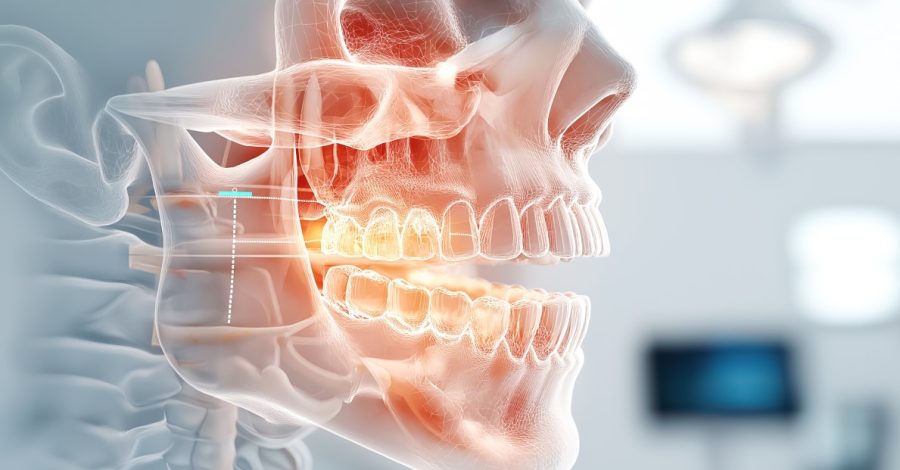
Oral surgery encompasses a specialized range of surgical interventions designed to diagnose, treat, and rehabilitate anatomical and structural disorders of the teeth, jaws, and surrounding oral tissues. This clinical discipline addresses complex conditions that extend beyond general dental care, including impacted teeth, pathological cysts, severe jawbone atrophy, and maxillofacial trauma. By combining advanced surgical techniques with a deep understanding of facial anatomy, oral surgery aims to restore optimal structural integrity, function, and health to the stomatognathic system.
The clinical methodology within this field relies heavily on precise diagnostic imaging, such as cone-beam computed tomography (CBCT), to map out vital anatomical structures prior to any intervention. Common surgical procedures include the extraction of impacted third molars (wisdom teeth) that present a risk to adjacent dentition, as well as pre-prosthetic surgeries like alveoloplasty to contour the jawbone for future restorations. Advanced regenerative procedures, including sinus lifts and ridge augmentations, are also frequently executed within this framework to provide the necessary bone volume required for stable dental implant placement.
Modern oral surgery prioritizes minimally invasive techniques to optimize physiological outcomes and enhance patient comfort during the healing phase. The integration of advanced surgical tools, such as piezoelectric devices and specialized dental lasers, allows for precise hard and soft tissue modifications while minimizing trauma to adjacent blood vessels and nerves. These technological advancements significantly reduce intraoperative bleeding, limit postoperative swelling, and support a more structured and predictable recovery process for the patient.
Furthermore, this systematic surgical discipline is carefully structured to accommodate the needs of patients requiring comprehensive oral rehabilitation within a defined timeline. Comprehensive preoperative evaluations and digitized surgical planning ensure that complex procedures can be executed with high predictability. This efficient clinical workflow enables international patients to plan their surgical interventions, initial recovery phases, and follow-up monitoring safely within a structured travel itinerary, facilitating a smooth transition toward long-term oral health.
