



Novusklinik
Bone Grafting
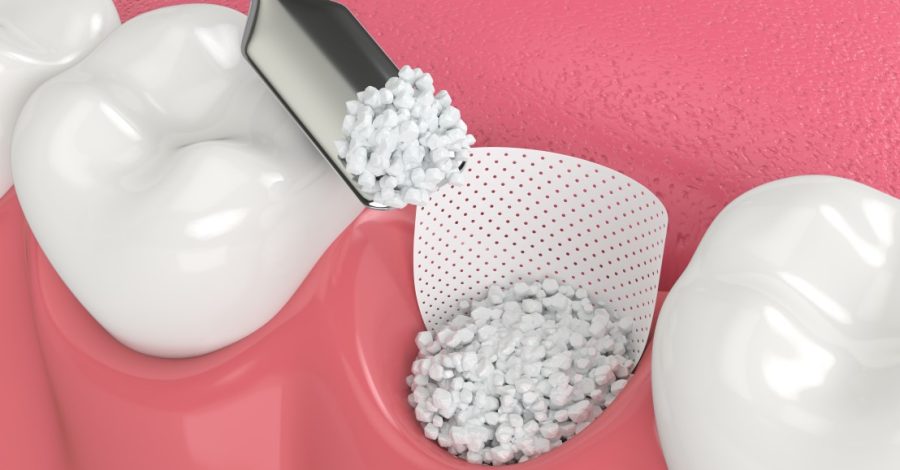
Bone grafting is a foundational regenerative procedure in implant dentistry designed to restore the volume, height, and density of the jawbone. When a tooth is lost, the surrounding alveolar bone naturally begins to resorb over time due to the lack of mechanical stimulation. For a dental implant to be successful and structurally stable, it requires a sufficient amount of healthy bone surrounding it. Bone grafting provides a biological scaffold that encourages the body’s natural capacity to rebuild bone tissue in areas where deficiencies exist.
The clinical application of this methodology involves placing biocompatible bone graft materials into the target site, which may include extraction sockets, areas of severe bone thinning, or the maxillary sinus floor. These materials can be sourced from the patient’s own body, safe animal tissue derivatives, or synthetic mineral complexes. Once placed, the graft material acts as a framework into which the patient’s own bone-forming cells can grow. Over a healing period of several months, the body naturally replaces the graft material with new, living bone.
This regenerative protocol is crucial for ensuring the predictable outcome of subsequent implant therapies under challenging anatomical conditions. Depending on the extent of the bone deficiency, grafting can be performed simultaneously with implant placement, or as a separate preliminary stage. By restoring the natural contours of the jaw, this procedure not only provides the necessary mechanical anchorage for fixed prostheses but also prevents the collapse of the overlying soft tissues, thereby preserving the natural aesthetic profile of the face.
Furthermore, this systematic treatment pathway offers a highly reliable solution for complex oral rehabilitations, accommodating cases that were previously untreatable due to severe atrophy. While it adds a structured healing timeline to the overall dental plan, it allows international patients to organize their visits with high predictability. The clear intervals between the initial bone reconstruction phase and the final implant restoration enable patients to manage their travel schedules efficiently while achieving long-term oral health and structural stability.
