



Novusklinik
Clear Braces
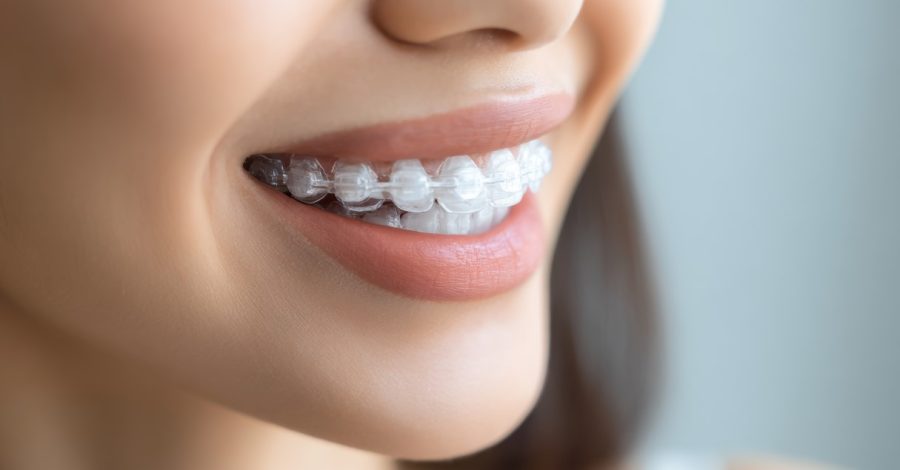
Clear braces, also known as aesthetic or ceramic braces, are an advanced orthodontic treatment option designed to correct dental misalignments and structural jaw irregularities while prioritizing visual discretion. Similar to traditional fixed orthodontic systems, this approach utilizes brackets bonded to each tooth and connected by an archwire to exert continuous, controlled mechanical forces. However, instead of using prominent stainless steel, clear braces employ high-grade polycrystalline or monocrystalline ceramic materials that match the natural color and translucency of dental enamel.
The clinical methodology of this treatment relies on the same biological principles as conventional orthodontics, achieving precise tooth movement through bone remodeling. As the ceramic brackets and specialized archwires apply gentle pressure to the dentition, the surrounding periodontal tissues respond by naturally resorbing and depositing bone material. This structured process allows for the correction of complex malocclusions—such as crowding, spacing, overbites, and crossbites—ensuring that the teeth are guided into their correct anatomical positions without compromising structural stability.
Modern ceramic brackets are engineered with advanced mechanical properties to enhance both durability and patient comfort. The surfaces are meticulously smoothed and rounded to minimize friction and soft-tissue irritation against the inner lips and cheeks. Furthermore, the high-density composition of contemporary dental ceramics makes the brackets highly resistant to structural fracturing and staining from dietary colorants. This technological configuration ensures that the orthodontic appliance retains its aesthetic, low-profile appearance throughout the active phases of therapy.
Furthermore, this systematic treatment pathway provides a highly reliable and predictable option for comprehensive oral rehabilitation, particularly for individuals who require the precise control of fixed appliances but prefer a less noticeable solution. While the treatment involves a multi-phased timeline and periodic adjustments, digital diagnostic tools allow for highly efficient tracking of clinical progress. International patients can effectively organize their scheduled clinical visits within a structured travel itinerary, balancing their orthodontic alignment process with their personal and professional routines.
