


Novusklinik
Orthodontic Treatment
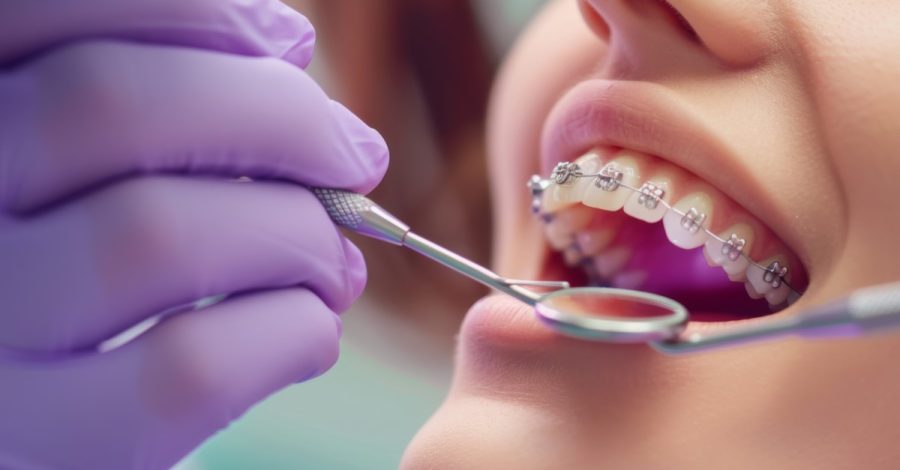
Orthodontic treatment is a specialized branch of dentistry focused on the diagnosis, prevention, and correction of misaligned teeth and jaw structures. Malocclusions, which include crowding, spacing, overbites, underbites, and crossbites, can significantly impact both oral function and long-term dental health. By applying continuous, controlled mechanical forces to the dentition, orthodontic therapy guides the teeth into their correct anatomical positions, optimizing the structural balance of the entire oral cavity.
The clinical methodology of modern orthodontics encompasses a variety of advanced appliances tailored to the patient’s specific anatomical needs and lifestyle preferences. Traditional fixed systems utilize high-grade metal or aesthetic ceramic brackets bonded to the teeth and connected by archwires to facilitate precise movement. Alternatively, contemporary clear aligner technologies offer a removable option, utilizing a series of custom-manufactured, transparent thermoplastic trays designed through three-dimensional digital imaging to progressively adjust the alignment of the dentition.
Achieving structural alignment involves a complex biological process known as bone remodeling. As the orthodontic appliance exerts gentle pressure on a tooth, the surrounding periodontal ligament experiences compression on one side and tension on the other. This mechanical stimulus prompts the jawbone to naturally resorb bone tissue in the direction of the movement while depositing new bone in the space left behind. This careful, systematic process ensures that the teeth remain stable and securely anchored within the alveolar bone throughout their displacement.
Furthermore, this structured treatment pathway provides essential long-term benefits by improving masticatory function, simplifying daily plaque removal, and reducing uneven wear on the enamel surfaces. While comprehensive orthodontic alignment typically requires a multi-phased approach and consistent clinical monitoring, modern digital planning allows for highly predictable intervals. International patients can effectively coordinate their periodic check-ups or manage their clear aligner sequences within a structured travel schedule, achieving comprehensive oral rehabilitation in harmony with their global lifestyles.
