



Novusklinik
Zirconium Crowns
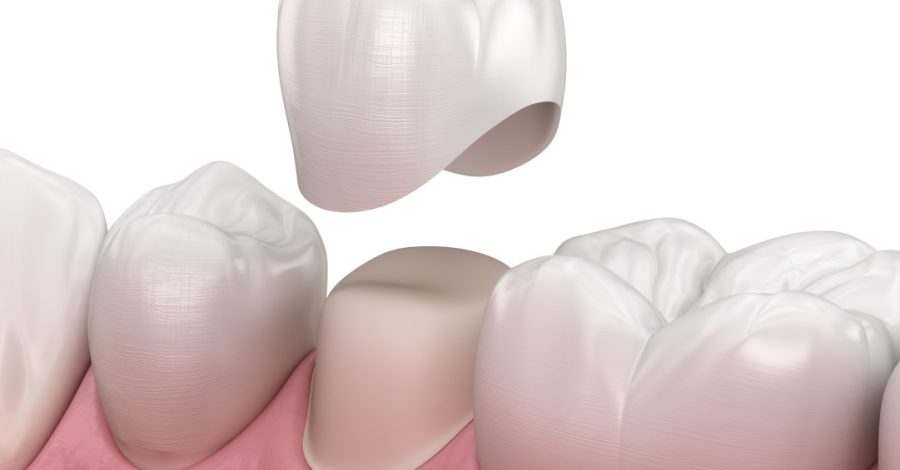
Zirconium crown treatment is a highly advanced restorative and cosmetic solution designed to reconstruct damaged, decayed, or structurally compromised teeth. Traditional dental crowns often utilize a metal framework layered with porcelain, which can sometimes create a gray shadow near the gumline and lack natural translucency. Zirconium crowns, manufactured from zirconium dioxide—a high-grade biocompatible ceramic material—eliminate these aesthetic limitations by providing a metal-free alternative that closely mimics the natural appearance of dental enamel.
The clinical success of this methodology relies heavily on the exceptional physical properties of the material. Zirconium possesses remarkable tensile strength and fracture resistance, making it highly capable of enduring the significant masticatory forces exerted in both the anterior and posterior regions of the mouth. Furthermore, its chemical stability ensures excellent biocompatibility with oral tissues, virtually eliminating the risk of allergic reactions, thermal sensitivity, or soft-tissue irritation that can sometimes be triggered by base metal alloys.
In modern dental practice, the fabrication of zirconium crowns is meticulously managed through Computer-Aided Design and Computer-Aided Manufacturing (CAD/CAM) technologies. Following a digital or conventional impression of the prepared teeth, the crowns are precisely milled from solid zirconium blocks to ensure an optimal marginal fit and structural harmony with the surrounding dentition. This precise fit protects the underlying natural tooth structure from bacterial infiltration and plaque accumulation, supporting long-term periodontal health.
Furthermore, this digitized clinical workflow offers excellent efficiency, making it a highly requested option for international patients seeking comprehensive oral rehabilitation. Because the digital scanning, design, and milling processes streamline production timelines, the number of required clinical adjustments is significantly reduced. Patients can undergo their planned restorative treatments within a structured travel itinerary, transitioning smoothly to enhanced oral function and a natural aesthetic smile without extending their stay.
